

Want create site? Find Free WordPress Themes and plugins.
Magnesium helps with relaxation, muscle cramps, constipation, sleep quality. We’ve all gone on vacation or spent the holiday season eating more frequently over longer periods of time, later into the night, bigger meals — all that does is to increase your hunger over time. Any type of fasting, whether it’s intermittent fasting or long multi-day fasting, creates all those benefits I just mentioned.
Energy and Brain Function
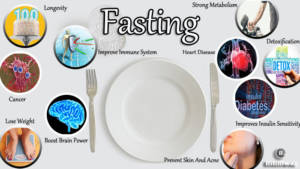
Fasting isn’t recommended for people who unimeal.reviews are underweight, have or are recovering from an eating disorder or are pregnant or breastfeeding. This is where you eat whatever you want five to six days of the week and choose one or two days a week to fast. During those fasting days, water and broth is encouraged so you don’t become dehydrated. This type of fasting could be beneficial for someone with a work schedule that may be really busy some days and cannot eat on a regular basis. Studies involving men who fasted for 16 hours a day found that the participants had more beneficial bacteria in their gut microbiomes. These bacteria have been linked with a variety of health benefits, including better metabolic health, improved heart health, and a lower risk of obesity, cancer, and inflammatory bowel disease.
May interfere with social eating
If you experience unusual discomfort during exercise, it’s usually a sign to dial it back a little bit — it doesn’t need to be as high intensity as you might usually go for. Keep exercising and incorporating movement into your daily routine during your fast. If you need a fantastic tool to help track your sleep and the changes to your health during your fast, read about my favorite health tracking device. BDNF supports the growth of brain neurons and is really important for long-term memory, coordination, and learning. Another really cool thing that happens around the 24-hour mark is that your brain produces a chemical called brain-derived nootropic factor (BDNF). AMPK presses the gas pedal on autophagy and really dials up the amount of autophagy going on in the body.
If you’re considering fasting, particularly prolonged fasting, talk to a healthcare professional to see if it’s right for you. These include feeling tired and irritable, particularly when you start, and having migraine headaches. Different types of fasting may help improve your health, but there are risks to consider.
Levels of Ministry Influence
The ketogenic diet, keto, is a low-carb, high-fat diet focused on lowering your body’s insulin levels and relying on ketones, chemicals made in your liver that break down fat, to fuel the body. These findings suggest that an extended fast or the timing of when you eat—even when it doesn’t affect your weight—can bring health benefits for some people. Studies suggest that this constant food intake may lead to health problems. Researchers have started looking at whether fasting can have potential benefits for some people. Intermittent fasting is when you alternate between eating and fasting. This type of eating is often described as “patterns,” “cycles” or “schedules” of fasting.
- While more research is needed on the benefits of intermittent fasting and how it may affect our health long term, there’s lots of promising data around it.
- When hunger happens in a normal fasting situation, it comes on like a wave that you need to ride out.
- If it doesn’t work properly, it’s harmful to cells in a way that’s linked with health conditions.
- This is the point where your glycogen stores are being broken down and used for energy.
- Scientists are especially excited about the connection between autophagy and healthy aging.
- But he and other experts caution against people trying fasting diets that are not based on research.
Fasting Myth #1: Fasting puts you into starvation mode and decreases your metabolism.
After Day 2 it starts to decline and gets much easier, so you might notice that you feel the most hungry on day 2 and then it gets better. So if you can make it through Day 2, it’s better for your long-term fasting habit that you make it to day 3 so you start feeling much better and end on a positive note. The main downside of IF is that many people chronically undereat when they do it for long periods of time. Research suggests that longer fasting periods are more likely to trigger significant side effects, like dizziness or extreme hunger. But scientists don’t know much about what happens to your body when you fast.
When it comes to how to intermittent fast, you want to maintain proper nutrition in your overall diet and not put yourself at unnecessary risk. Short-term fasting, such as intermittent fasting, may help some people lose weight. But growing evidence suggests that this may not be more effective than traditional calorie-restricted diets. Autophagy likely plays a key role in preventing diseases, including heart disease, diabetes, cancer, and infections. Before starting this, talk to a healthcare professional to make sure it’s appropriate for you.
Fasting Myth #3: Fasting causes low blood sugar.
Hyer is a cardiac rehabilitation dietitian with the Mass General Brigham Heart and Vascular Institute and works with patients at the Elfers Cardiovascular Center at Newton-Wellesley Hospital. Our ancestors were hunter-gatherers who often went periods of time without food while foraging. Humans had adapted to the unpredictability of getting their next meal.

Intermittent fasting: Benefits, how it works, and is it right for you?
Pairing this with healthy food choices could help you reach your health goals. Intermittent fasting can also be a challenge to stick to or to do correctly. As noted, fasting isn’t an excuse to eat whatever you want in your non-fasting time. People may struggle with choosing nutritional foods or with hunger when they break their fast. Listen to your body and consult your health care provider to ensure intermittent fasting is safe and appropriate for you.
Intrahepatic Cholangiocarcinoma A Modern Day Miracle Ruby’s Story
To an extent, all this is normal, and usually the discomfort will pass in a short period of time. As I’ve said, the first month of fasting is really one big experiment to figure out what works for you. But you want to keep experimenting and tweaking even beyond that time to keep observing what’s working for your body. We’ll talk about this more below, but it’s important that when you break your fast, you don’t just go on a binge and eat everything in sight. Start each morning with a big glass of water and keep a water bottle with you at all times through the day. Put sticky notes up around your house, set a reminder on your phone — do whatever you can to remind yourself to keep hydrating.
How to minimize side effects
While this process is always ticking along at a low level, a 72-hour fast gives it a massive boost, turning a routine tidy-up into a major deep clean. This metabolic journey isn’t just a switch that flips at the 72-hour mark. It’s a progressive transformation with distinct stages, each unlocking different benefits along the way. With ZOE’s personalized nutrition program, you can discover how to eat for your body and your long-term health goals. Fasting can mean going without foods and drinks that contain calories. Research into the link between fasting and gut health is still ongoing, but these effects could help explain the reported benefits.
Intermittent fasting — periods of eating and fasting — continues to grow in popularity. And it may be more than a fad, with more data rolling in that may show it helps with weight management, blood pressure and more. Researchers have studied IF for decades, testing animals and humans to gather evidence of health benefits. More research is needed, especially to determine the advantages of practicing IF long-term. But experts do know that fasting improves metabolism and lowers blood sugar, benefitting a wide range of health issues. It’s generally recommended only for healthy individuals who aren’t living with chronic https://unimeal.reviews/ diseases.
Intermittent Fasting: What is it and What are the Benefits?
I’ve been there before too, but I would argue that it’s usually a sign you’re not ready for that length of fast or that you need to go into the next one with your diet a little more dialed in. This measures the amount of energy your body burns to keep all your organs functioning optimally. Make sure you stay upright for a while after meals — don’t go to bed or lay down immediately after eating.
Did you find apk for android? You can find new Free Android Games and apps.
Leave a Reply